

7 Social Dance Best Practices for Engaged Couples
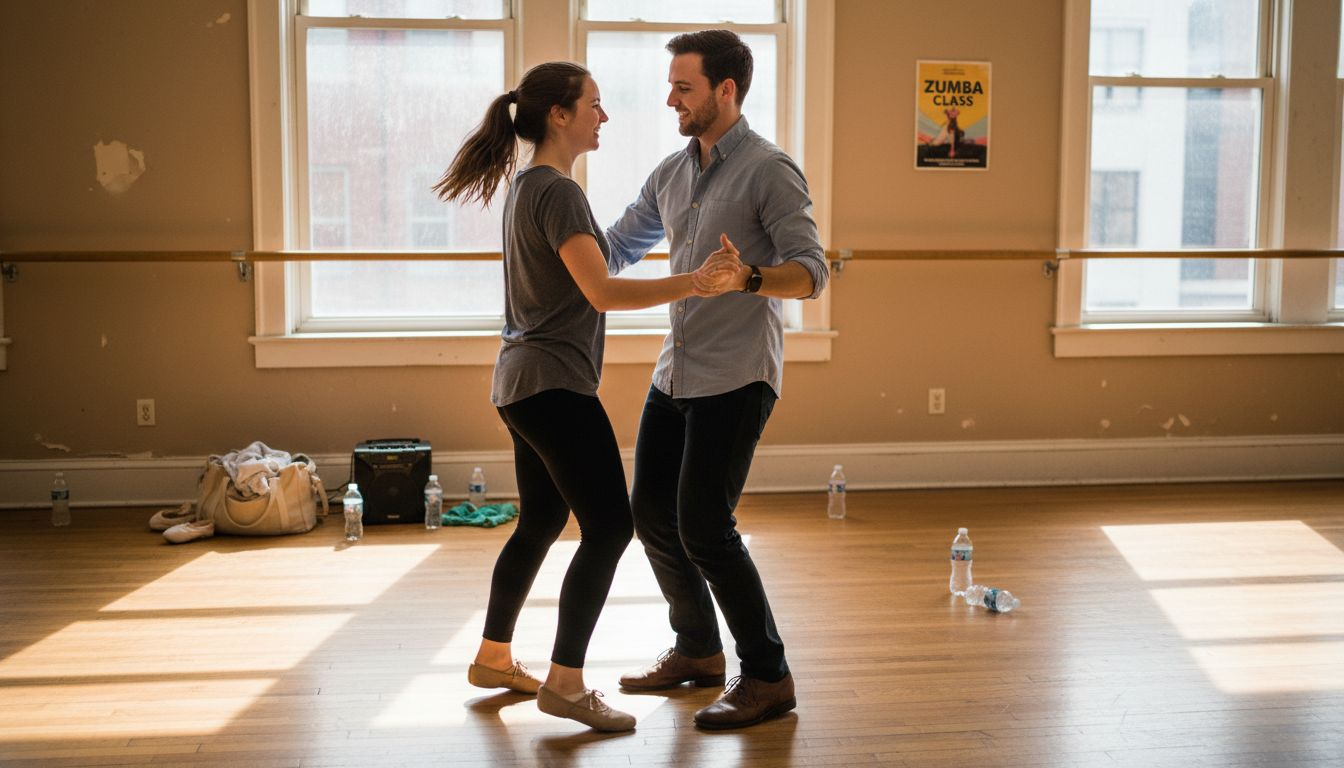
Planning your first wedding dance often feels overwhelming, especially when you want it to reflect your unique relationship and stand out on your big day. From picking the perfect style to communicating with your partner, every step comes with its own set of questions and challenges. The good news is there are proven approaches that make the process easier and more meaningful.
This list will give you practical strategies for choosing the right dance, improving connection through consistent communication, and mastering the basics of lead and follow. You will discover actionable tips that build confidence, deepen your partnership, and transform your wedding dance into a memorable celebration. Get ready to unlock ideas that will help you shine together on the dance floor.
Table of Contents
- 1. Choose the Right Dance Style for Your Wedding
- 2. Practice Consistent Communication with Your Partner
- 3. Focus on Lead and Follow Basics Early
- 4. Master Timing and Musicality Together
- 5. Attend Group Classes to Build Social Skills
- 6. Schedule Private Lessons for Personalized Advice
- 7. Prepare with Mock Dance Sessions Before the Event
Quick Summary
| Takeaway | Explanation |
|---|---|
| 1. Choose a Dance Style That Reflects You | Select a wedding dance style that mirrors your unique relationship dynamics, musical preferences, and comfort levels for a memorable experience. |
| 2. Communicate Openly with Your Partner | Maintain honest discussions about feelings, concerns, and progress to enhance your dance preparation and strengthen your relationship. |
| 3. Master Lead and Follow Techniques Together | Practice effective lead and follow dynamics to create an intuitive dance experience, allowing for seamless communication on the dance floor. |
| 4. Build Timing and Musicality | Focus on understanding the rhythm and emotional nuances of your wedding song to elevate your dance beyond mere steps. |
| 5. Attend Group Classes for Confidence | Participate in group dance classes to boost your confidence, improve social skills, and adapt to various partners, enhancing your overall dance experience. |
1. Choose the Right Dance Style for Your Wedding
Selecting the perfect dance style for your wedding is more than just picking steps - it’s about finding a movement that tells your unique love story. Your first dance represents a moment of connection and celebration that will be remembered for years to come.
When exploring wedding dance styles, consider these key factors:
- Personality Match: Choose a dance that reflects your individual relationship dynamics
- Musical Preference: Select a style that complements your chosen wedding song
- Comfort Level: Pick a dance that matches both partners’ current dance experience
Popular wedding dance styles offer diverse expressions of romance and connection. Ballroom dance styles range from elegant Waltz to passionate Tango, each providing a distinct emotional landscape for your first dance.
Latin dances like Rumba and Salsa bring vibrant energy and intimate connection, while Swing offers playful, upbeat movements perfect for couples who love a more relaxed vibe. Contemporary styles allow for personal interpretation and creativity.
Your first dance is a celebration of your unique love - choose a style that makes you both feel confident and connected.
Pro tip: Schedule a few wedding dance choreography sessions to explore different styles and find the perfect match for your wedding vision.
2. Practice Consistent Communication with Your Partner
Communication is the heartbeat of any strong relationship and becomes even more critical when preparing for your wedding dance. Learning to communicate effectively transforms not just your dance partnership but your entire relationship dynamic.
Effective communication during dance preparation involves several key strategies:
- Emotional Openness: Share your feelings about learning dance moves
- Active Listening: Pay attention to your partner’s concerns and experiences
- Constructive Feedback: Offer suggestions kindly and receive them graciously
- Nonverbal Connection: Use body language and eye contact to support verbal communication
Understanding healthy relationship communication means recognizing that dialogue is more than just talking - it is about truly hearing and understanding each other.
Practical communication techniques for dance partners include setting aside dedicated practice time for honest discussions about your dance journey. This might involve sharing your anxieties about learning choreography or celebrating small victories together.
Clear communication transforms dance practice from a potential source of stress into an opportunity for deeper connection.
Nonverbal communication plays an equally important role in dance. Your ability to read and respond to each other’s physical cues will directly impact your dance performance and overall partnership.
Pro tip: Schedule weekly check-ins during your dance preparation to discuss progress, challenges, and feelings about your upcoming wedding dance.
3. Focus on Lead and Follow Basics Early
In partner dancing, understanding lead and follow dynamics is like learning a nonverbal language of connection and movement. Your wedding dance requires seamless communication through physical and visual cues that transcend spoken words.
Understanding lead and follow techniques means recognizing that dance partnership is a collaborative conversation between two people. The dance floor becomes your shared canvas of expression.
Key aspects of effective lead and follow include:
- Subtle Physical Signals: Learning to communicate through gentle pressure and body positioning
- Responsive Movement: Developing sensitivity to your partner’s directional cues
- Balanced Connection: Creating a comfortable mutual dance frame
- Mutual Respect: Treating lead and follow roles as equally important
Modern dance philosophy challenges traditional gender roles in lead and follow. Both partners can learn both roles, creating more versatile and dynamic dance interactions.
Mastering lead and follow basics transforms your dance from a series of steps into a beautiful, intuitive conversation.
Practical implementation means dedicating time to understanding weight transfer, connection points, and responsive movement. Start with simple exercises that help you develop physical communication skills.
Pro tip: Practice lead and follow basics without music first, focusing on gentle, clear communication through body movement and subtle hand signals.
4. Master Timing and Musicality Together
Timing and musicality are the invisible threads that transform dance from mere movement to an emotional storytelling experience. Your wedding dance is more than synchronized steps - it is a rhythmic conversation between two hearts.
Dance timing techniques go beyond simply counting beats. They involve understanding the subtle nuances of music and translating those rhythms into fluid movement.
Key elements of mastering timing and musicality include:
- Beat Awareness: Developing a deep connection with musical rhythm
- Emotional Interpretation: Matching dance movements to music’s mood
- Synchronization: Moving in perfect harmony with your partner
- Rhythmic Flexibility: Adapting to different musical styles and tempos
Professional dancers understand that musicality is an art form. It involves listening not just with your ears but with your entire body. Each step becomes a note. Each pause a breath. Each movement an expression of the music’s underlying emotion.
Your wedding dance is a living, breathing interpretation of your love story set to music.
Practical implementation means spending time listening to your chosen song multiple times. Break down its structure. Feel its emotional landscape. Understand its rhythm before you even attempt to dance.
Pro tip: Practice dancing to your wedding song with eyes closed to develop a deeper intuitive connection with its musical nuances.
5. Attend Group Classes to Build Social Skills
Group dance classes are more than just learning steps - they are transformative experiences that build confidence, communication, and connection. By stepping into a shared learning environment, you and your partner will develop skills far beyond simple dance moves.
The social dynamics of dance classes create a unique learning ecosystem where partners can grow together and individually.
Benefits of group dance classes include:
- Confidence Building: Practicing in a supportive group setting
- Partner Rotation: Learning to dance with multiple partners
- Skill Diversity: Exposure to different dance styles and techniques
- Social Networking: Meeting other dance enthusiasts and couples
Group classes teach adaptability in ways private lessons cannot. You learn to read different dance partners quickly, adjust your technique, and communicate nonverbally - skills crucial for your wedding dance and marriage.
Dancing is a conversation without words - group classes help you become fluent in this beautiful language.
Practical implementation means selecting classes that match your current skill level and wedding dance goals. Look for welcoming environments that encourage learning and minimize performance pressure.
Pro tip: Arrive early to group classes and introduce yourselves to other dancers to maximize your social and learning experience.
6. Schedule Private Lessons for Personalized Advice
Private dance lessons are your secret weapon for creating a wedding dance that is uniquely yours. These one-on-one sessions transform generic dance steps into a personalized performance that captures your individual love story.
Private dance instruction offers tailored guidance that group classes simply cannot match. An experienced instructor becomes your personal dance mentor, helping you navigate challenges and unlock your potential as a dance partnership.
Key advantages of private lessons include:
- Customized Choreography: Designing dance moves specific to your skill level
- Targeted Technique Refinement: Addressing individual movement challenges
- Confidence Building: Developing skills in a supportive one-on-one environment
- Personalized Feedback: Receiving immediate corrections and expert advice
Professional instructors understand that every couple has a unique dynamic. Personalized dance coaching means adapting teaching methods to your specific learning styles, physical capabilities, and dance goals.
A private lesson is not just about learning steps - it is about creating a dance that tells your love story.
Practical implementation involves selecting an instructor who specializes in wedding dance choreography and communicates well with both partners. Look for professionals who listen to your vision and can translate it into elegant movement.
Pro tip: Schedule an initial consultation to discuss your wedding dance goals and ensure the instructor understands your vision before committing to a full series of lessons.
7. Prepare with Mock Dance Sessions Before the Event
Your wedding dance is more than a performance - it is a moment of intimate connection that will be remembered forever. Mock dance sessions transform nervous anticipation into confident celebration by allowing you to rehearse in a low-pressure environment.
Couples enrichment practice helps partners synchronize movements and reduce performance anxiety before the big day.
Key benefits of mock dance sessions include:
- Muscle Memory Development: Repeating movements in a controlled setting
- Performance Confidence: Reducing stage fright through familiar choreography
- Communication Enhancement: Improving nonverbal partner signals
- Stress Reduction: Creating comfort with dance routine before the wedding
These practice sessions are about more than perfecting steps. They create an opportunity to build trust and connection through shared learning and mutual support.
A well-practiced dance is a conversation without words, telling your unique love story.
Simulate actual wedding conditions during mock sessions. Practice in similar shoes, clothing, and with potential music distractions to create a realistic rehearsal environment.
Pro tip: Record your mock dance sessions to review technique and identify areas for improvement, allowing you to refine your performance incrementally.
Below is a comprehensive table summarizing the steps and strategies for preparing a wedding dance as discussed throughout the article.
| Topic | Description | Key Considerations |
|---|---|---|
| Choose the Right Dance Style | Select a style that reflects your personalities and matches your chosen music. | Explore styles like Ballroom, Latin, or Contemporary for varied emotional expressions. |
| Practice Communication with Your Partner | Open dialogue and nonverbal cues enhance partnership dynamics during dance preparation. | Dedicate time for discussions, share feelings, and celebrate milestones together. |
| Focus on Lead and Follow Basics | Develop physical communication for seamless movements in dance. | Learn subtle signals, balance connection, and be responsive to cues. |
| Master Timing and Musicality | Connect with the rhythm and emotional nuances of the music. | Practice listening to the music and adapting dance movements to its mood and tempo. |
| Attend Group Classes | Build confidence, adapt to different partners, and develop social skills through group training. | Look for supportive environments suitable for beginners and advanced learners. |
| Schedule Private Lessons | Personalized coaching helps create a dance tailored to your skills and story. | Choose an instructor specializing in wedding choreography for targeted guidance. |
| Prepare with Mock Dance Sessions | Rehearse the dance to enhance comfort, confidence, and muscle memory. | Simulate wedding conditions and record sessions for improvement. |
Elevate Your Wedding Dance Experience with Expert Guidance
The article “7 Social Dance Best Practices for Engaged Couples” highlights common challenges couples face when preparing for their first dance. From choosing the right dance style and mastering lead and follow basics to developing timing and communication skills, these crucial steps require tailored support. If you want to overcome anxiety and build confident connection on the dance floor, professional instruction and personalized choreography are key.
Rondo Ballroom Dance Studio in Upstate South Carolina specializes in turning your wedding dance vision into reality. With options ranging from group dance classes that boost social confidence to private lessons designed for focused improvement, every couple finds the perfect fit. Our signature wedding dance choreography service ensures your first dance tells your unique story with elegance and ease.
Don’t let uncertainty hold back your special moment. Start today by exploring how Rondo Ballroom can help you master dance fundamentals, build meaningful partner communication, and perfect your timing. Visit https://rondoballroom.com now to schedule your first lesson and create a memorable dance that celebrates your love with confidence.
Frequently Asked Questions
What dance style should we choose for our wedding?
Choosing a dance style for your wedding should reflect your personalities and comfort levels. Consider exploring different styles together and picking one that resonates with both of you within the next few weeks.
How can we improve our communication while practicing our wedding dance?
To enhance communication during dance practice, schedule regular check-ins where you can share feelings and provide constructive feedback. Aim to have these discussions at the beginning and end of each practice session to foster openness and understanding.
What are the basics of lead and follow in partner dancing?
Understanding lead and follow dynamics is essential for a smooth wedding dance. Start practicing subtle physical signals and responsive movements; aim to do this for at least 20 minutes in each practice session to develop a natural connection.
How can we develop better timing and musicality for our dance?
Work on your timing and musicality by spending time listening to your wedding song and breaking down its structure. Try to dance to the song together without music first to internalize its rhythm, and aim to do this practice two to three times a week.
Should we take group dance classes together?
Yes, attending group dance classes can build confidence and enhance your social skills as a couple. Look for a class that matches your skill level, and aim to attend at least one session per week to benefit from the communal learning experience.
How can mock dance sessions prepare us before the wedding?
Mock dance sessions allow you to practice in a low-pressure environment, reinforcing muscle memory and enhancing performance confidence. Schedule these sessions a couple of weeks before your wedding to familiarize yourselves with the routine and reduce nervousness.
Recommended
- Explore Ballroom Dancing Styles at Rondo Ballroom Dance Studio
- Claim your FREE 45-minute Wedding Dance Consultation today!
- Create Your Perfect First Dance / Wedding Dance Choreography | Rondo Ballroom Dance Studio
- Epic Group Wedding Dances in Greenville, SC!
- 7 Fresh Dance Floor Music Ideas for Texas Weddings
Add comment
Comments