

Wedding Dance Instruction Guide for Memorable Receptions
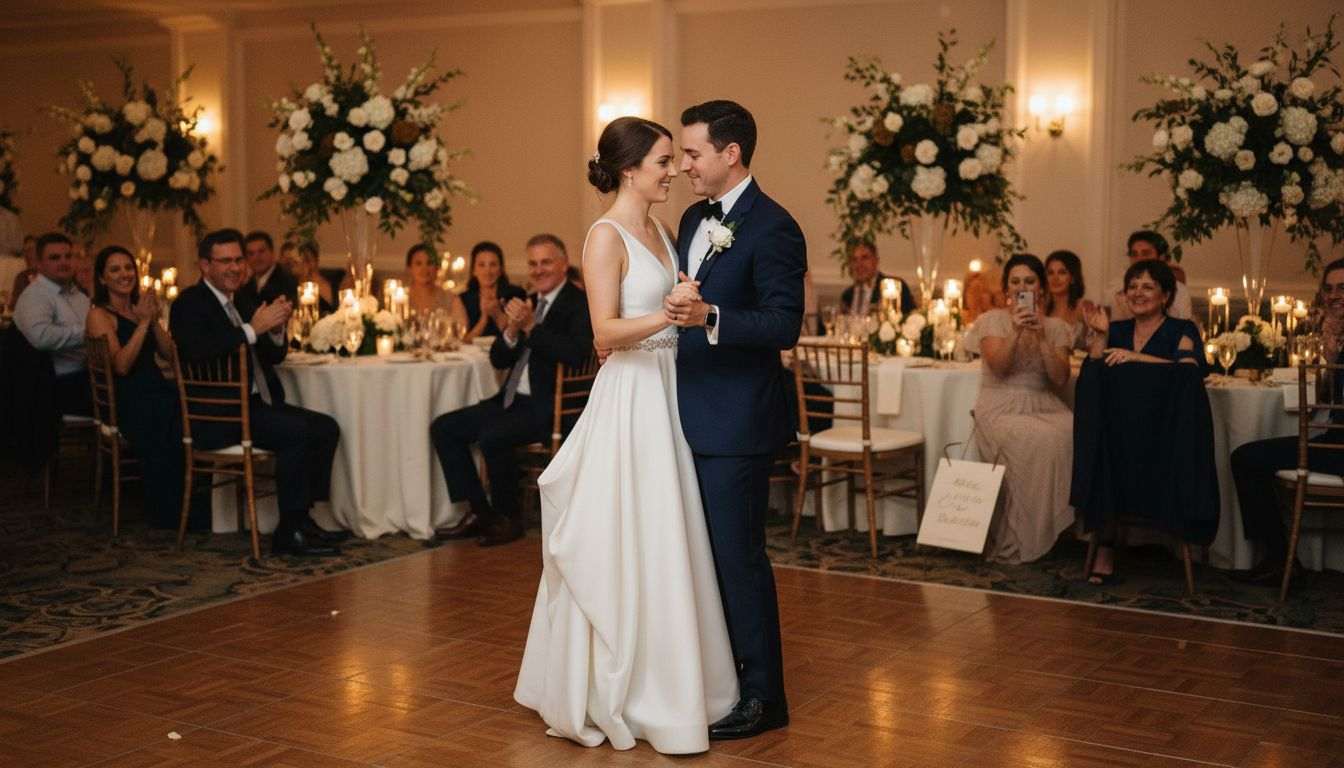
Nerves can sneak up fast when couples in Upstate South Carolina picture their first dance in front of friends and family. The pressure to deliver a smooth, memorable performance often mixes with excitement, making it hard to know where to begin. With expert guidance and a focus on personalized dance goals, you can transform uncertainty into genuine confidence for a wedding dance that’s true to your unique story and style.
Table of Contents
- Step 1: Assess Dance Goals And Experience
- Step 2: Choose Music And Dance Style
- Step 3: Schedule Lessons And Practice Routines
- Step 4: Create Choreography For Your Special Dance
- Step 5: Rehearse And Refine Performance
- Step 6: Verify Readiness For The Big Day
Quick Summary
| Key Point | Explanation |
|---|---|
| 1. Assess Dance Goals Together | Evaluate your dance skill level, preferences, and performance goals to create a shared vision. |
| 2. Choose Meaningful Music | Select a song that reflects your relationship and fits your chosen dance style and skills. |
| 3. Schedule Regular Lessons | Plan 4-6 dance lessons and practice sessions to ensure steady improvement leading up to the wedding. |
| 4. Develop Personalized Choreography | Create choreography that showcases your connection and story while matching your skill level. |
| 5. Conduct Final Readiness Checks | Verify venue conditions, outfit compatibility, and music details to ensure a flawless performance. |
Step 1: Assess Dance Goals and Experience
Before stepping onto the dance floor at your wedding reception, understanding your dance experience and setting clear goals is crucial for creating a memorable performance. Effective dance assessment techniques help couples develop realistic expectations and personalized learning strategies.
To begin, honestly evaluate your current dance skills as a couple. Are you complete beginners, or do you have some prior dance experience? Consider these key factors:
- Current dance skill level: Beginner, intermediate, or advanced
- Dance style preferences: Waltz, swing, salsa, or other wedding-appropriate styles
- Comfort with partner dancing: How familiar are you with coordinating movements together?
- Performance goals: Do you want a simple, elegant dance or an elaborate choreographed routine?
Once you’ve identified your starting point, discuss your shared vision for the wedding dance. Communication is essential in determining whether you want a brief, basic routine or a more complex performance that will wow your guests.
Your wedding dance should reflect your personality as a couple, not just technical perfection.
Pro tip: Schedule a professional dance consultation to get an expert assessment of your current skills and personalized recommendations for your wedding dance journey.
Step 2: Choose Music and Dance Style
Selecting the perfect music and corresponding dance style is a critical step in creating a memorable wedding dance that reflects your unique relationship. Wedding dance styles range from traditional to contemporary, offering couples multiple options to showcase their personality and comfort level.
Start by exploring different dance styles that match your chosen music and personal skills. Consider these popular wedding dance options:
- Waltz: Elegant, smooth, and perfect for romantic ballads
- Swing: Upbeat and playful, great for more energetic music
- Bachata: Passionate and intimate, ideal for Latin-inspired songs
- Contemporary: Freestyle dance that allows maximum creative expression
When selecting your music, focus on a song that holds special meaning for you as a couple. The rhythm and tempo should complement your chosen dance style and skill level. Consider factors like:

Here’s a quick comparison of popular wedding dance styles to help you select the best match:
| Dance Style | Music Tempo | Atmosphere Created | Partner Skill Needed |
|---|---|---|---|
| Waltz | Slow, romantic | Elegant and timeless | Moderate coordination |
| Swing | Upbeat, lively | Playful and energetic | Quick footwork, teamwork |
| Bachata | Medium, sensual | Intimate and passionate | Close connection, smooth moves |
| Contemporary | Varies, expressive | Creative and unique | Improvised, adaptive |
- Song length (typically 2-3 minutes for first dances)
- Musical complexity
- Emotional significance
- Dance style compatibility
Your first dance is a moment that captures your relationship’s unique spirit - choose music and a dance style that truly represents you.
Pro tip: Practice dancing to your selected song multiple times before the wedding to build confidence and synchronize your movements.
Step 3: Schedule Lessons and Practice Routines
Developing a structured approach to learning your wedding dance requires strategic planning and consistent practice. Professional dance lessons will help transform your initial dance skills into a polished, confident performance that will impress your wedding guests.
Consider these key strategies for scheduling and maximizing your dance preparation:
- Lesson Frequency: Plan 4-6 lessons leading up to your wedding
- Practice Duration: Aim for 30-45 minute sessions twice weekly
- Learning Approach: Mix private lessons with independent practice time
- Timeline: Start lessons 3-4 months before your wedding date
Break down your dance preparation into manageable stages:
- Initial technique assessment
- Basic step learning
- Choreography development
- Performance refinement
- Final rehearsal and confidence building
Consistent practice matters more than perfection - focus on enjoying the learning process together.
Pro tip: Record your practice sessions on video to track progress and identify areas needing improvement.
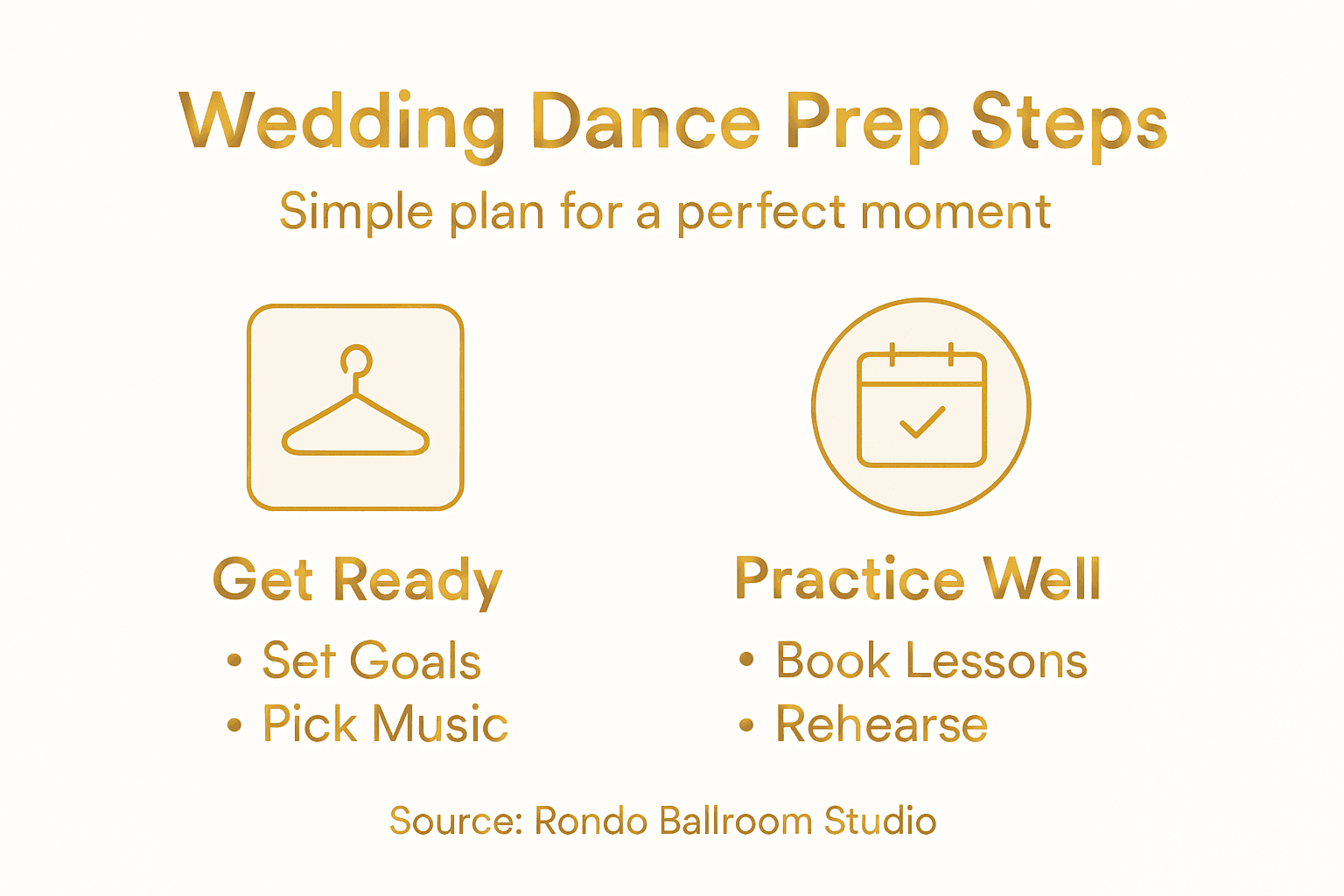
Step 4: Create Choreography for Your Special Dance
Developing a personalized wedding dance choreography transforms your first dance from a simple routine into a meaningful reflection of your relationship. Wedding dance choreography requires careful planning and creativity, allowing you to craft a performance that tells your unique love story.
Break down your choreography development into strategic components:
- Emotional Connection: Select moves that represent your relationship
- Technical Complexity: Match choreography to your skill level
- Musical Interpretation: Align movements with song’s rhythm and mood
- Storytelling Elements: Incorporate meaningful gestures or transitions
Structure your choreography with these essential stages:
- Create an engaging entrance
- Design signature couple moves
- Plan smooth transitions
- Develop a memorable finale
- Practice smooth lead and follow techniques
Your wedding dance choreography should feel natural, not overly rehearsed - let your genuine connection shine through.
Pro tip: Videotape your choreography rehearsals to identify areas for refinement and ensure your movements flow seamlessly.
Step 5: Rehearse and Refine Performance
Transforming your choreographed wedding dance from a planned routine into a seamless performance requires dedicated and strategic rehearsal. Effective dance rehearsal strategies are critical for muscle memory and precision, helping you build confidence and synchronization.
Implement a structured approach to your rehearsal process:
- Time Management: Schedule consistent practice sessions
- Technical Precision: Focus on clean, synchronized movements
- Emotional Connection: Maintain genuine interaction during dance
- Energy Management: Practice maintaining performance stamina
Break down your rehearsal strategy into key stages:
- Warm-up and technique review
- Full choreography run-through
- Detailed movement refinement
- Performance quality enhancement
- Stress and nerves management
Rehearsal is about building trust and connection, not achieving robotic perfection.
Pro tip: Practice in different shoes and outfits similar to your wedding attire to ensure complete comfort and movement adaptability.
Step 6: Verify Readiness for the Big Day
Preparing for your wedding dance involves more than just choreography - it requires comprehensive final checks to ensure a flawless performance. Wedding dance preparation demands thorough venue and logistics planning, guaranteeing you feel confident and poised on your special day.
Conduct a comprehensive readiness assessment with these critical checkpoints:
- Dance Space: Understand venue floor dimensions and surface
- Music Coordination: Verify song timing and sound system compatibility
- Outfit Compatibility: Test dance movements in actual wedding attire
- Emotional Preparedness: Address potential performance anxieties
Complete these final verification steps:
- Confirm exact performance timeline with wedding coordinator
- Do a full dress rehearsal in complete wedding outfit
- Test dance floor and music system during venue walkthrough
- Review choreography with your dance instructor
- Create backup plan for unexpected challenges
Your wedding dance is a celebration of your connection, not a perfect performance.
Pro tip: Arrive at the venue early on your wedding day to do a quick space assessment and last-minute practice run.
This summary shows how preparation areas impact your wedding dance success:
| Preparation Area | Key Benefit | Common Challenge |
|---|---|---|
| Lesson Scheduling | Steady skill improvement | Finding time together |
| Practice Routines | Builds muscle memory | Maintaining consistency |
| Choreography Design | Showcases couple’s personality | Balancing complexity |
| Rehearsal Process | Increases stage confidence | Managing nerves |
| Venue Readiness | Ensures smooth final performance | Adapting to floor space |
Achieve Your Dream Wedding Dance with Expert Guidance
Preparing for your wedding dance can be overwhelming from choosing the perfect music and dance style to mastering choreography and rehearsal. If you are looking to overcome challenges like scheduling lessons, building confidence, or tailoring your dance to reflect your unique love story, Rondo Ballroom Dance Studio offers personalized solutions designed specifically for couples just like you. With expert instructors who understand the importance of emotional connection and performance readiness, you can transform your first dance into an unforgettable highlight of your special day.
Start your journey today by taking advantage of our free wedding dance consultations where we assess your current skills and help you craft a custom dance plan. Whether you prefer private lessons or engaging group classes that encourage partner rotation and social dancing, our welcoming Upstate South Carolina studio is ready to support your goals. Don’t wait until the last minute – visit Rondo Ballroom Dance Studio now to schedule your first lesson and gain confidence step by step. Discover how our expert choreography services can make your wedding dance truly shine and create memories that last a lifetime.
Explore more about our full range of instructional services at Rondo Ballroom Dance Studio and make your dream wedding dance a reality.
Frequently Asked Questions
What should we discuss when assessing our dance goals and experience?
Begin by evaluating your current skill level, dance style preferences, and comfort with partner dancing. Communicate your performance goals, whether you desire a simple routine or an elaborate choreography, to tailor your learning experience together.
How do we choose the right music and dance style for our wedding dance?
Select a song that holds special meaning for you as a couple and matches your preferred dance style, such as Waltz or Swing. Experiment with different styles to see which best complements both your skills and the song’s rhythm, aiming to create an authentic expression of your relationship.
What is the best timeline for scheduling dance lessons before the wedding?
Plan for 4-6 lessons in the 3-4 months leading up to your wedding day. Aim to practice for 30-45 minutes twice weekly to build confidence and refine your routine progressively.
How can we create effective choreography that reflects our relationship?
Focus on incorporating moves that symbolize your connection and align with your skill level, paying attention to the song’s rhythm. Structure your choreography to include an engaging entrance, smooth transitions, and a memorable finale, allowing for personal storytelling.
What steps should we take to rehearse effectively for our wedding dance?
Schedule consistent practice sessions that prioritize technical precision and emotional connection. Review your choreography, practice stamina, and make adjustments to ensure your movements are synchronized and natural, enhancing your confidence on the big day.
How do we verify our readiness for the wedding dance performance?
Conduct a final assessment of the venue, music, and your attire to ensure everything works together seamlessly. Confirm your performance timeline with the wedding coordinator, and consider doing a full dress rehearsal to address any potential challenges.
Add comment
Comments